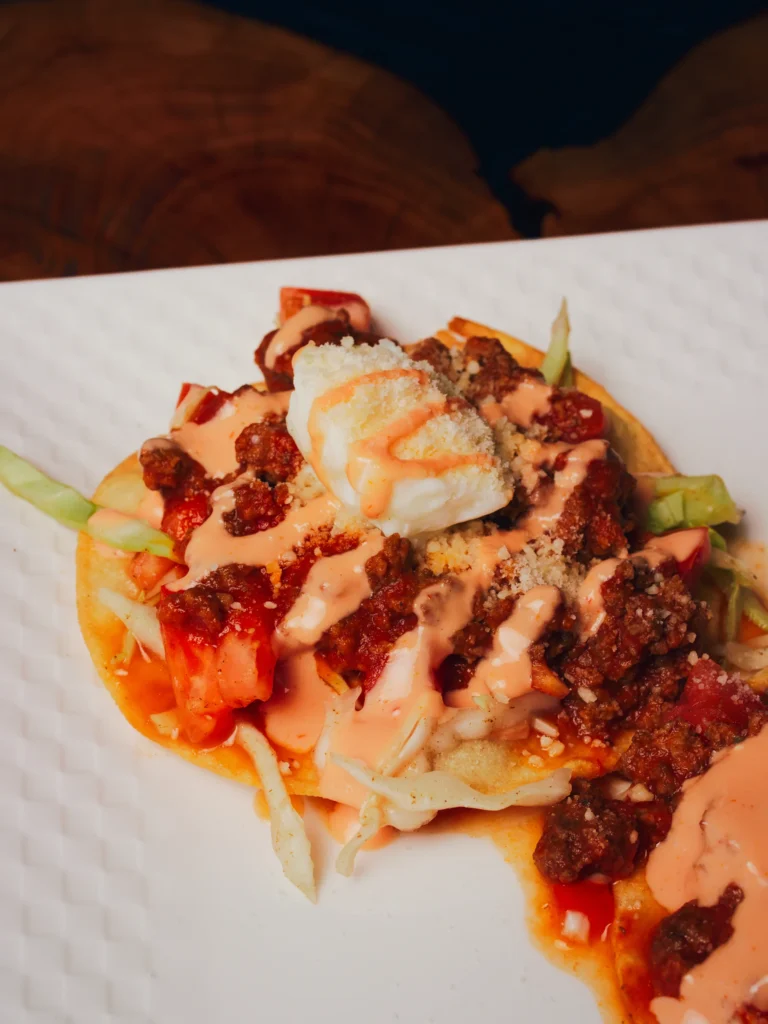
A parrillada is a mixed grill: several cuts of meat and sausage cooked on a parrilla, the iron grate used across Argentina, Uruguay and much of Latin America, then brought to the table on one platter to share. A classic Argentine parrillada includes skirt or flank steak, chorizo, often morcilla and offal, with chimichurri on the side. Restaurant versions are usually sized for two or more people.
The word shows up on menus all over Dallas, almost always with a price that makes you pause and a note that says “serves two.” If you have never ordered one, the question is reasonable: what, exactly, arrives? And is it worth the number next to it? The short version is that a parrillada is the Latin American answer to a steakhouse platter, built for a table rather than a plate, and it is one of the best values on a menu when there are three or four of you.
Here is what the dish is, where it comes from, how the versions differ, and how to order the ones on Lunami’s grill platters in the Bishop Arts District.
Where the Parrillada Comes From
“Parrilla” is the Spanish word for the grill grate itself, and in Argentina it also names the restaurant that cooks on one. The cooking tradition behind it is the asado, the slow weekend grill over wood or charcoal embers that Argentina’s national tourism board describes as a ritual as much as a meal on its guide to asado. Meat goes on in stages, fat side first, sausages early so they can be eaten while the big cuts finish, and the whole thing is paced to last an afternoon.
A parrillada is the restaurant form of that afternoon: the sequence compressed onto one platter, sometimes served on a small tabletop brazier so the meat stays hot. Uruguay, Chile, Paraguay and the Latin American communities of Texas all have their own takes, and Mexican grill houses add fajita-style peppers, onions and tortillas to the idea.
What Is Actually on the Platter
The lineup changes by country and by kitchen, but a traditional Argentine parrillada draws from this list.
| Component | What it is | Why it is there |
|---|---|---|
| Entraña or vacío | Skirt steak or flank steak | The signature cuts: thin, well marbled, quick on high heat |
| Chorizo | Fresh pork sausage, grilled whole | Comes off first; often eaten in bread as choripán while the rest cooks |
| Morcilla | Blood sausage | Soft, rich, traditional; less common on US menus |
| Pollo | Chicken, often marinated | A lighter counterpoint to the beef |
| Achuras | Sweetbreads, kidneys, chitterlings | Offal is central in Argentina, optional abroad |
| Chimichurri | Parsley, garlic, oregano, vinegar, oil | The only sauce a parrilla needs; cuts the fat |
| Sides | Salad, potatoes, bread, or in Central America, tostones, rice and beans | Keeps the platter from being meat alone |
The rule is balance: at least one beef cut, at least one sausage, something lighter, and chimichurri. Everything else is the cook’s accent.
Three Things Diners Assume That Are Not Quite Right
“It is just a lot of steak.” A good parrillada is built on contrast. The chorizo is salty and coarse, the skirt steak is beefy and chewy, the chicken is mild, and the chimichurri is sharp and green. Eating only the steak misses the point.
“It is for two people.” Menus say “serves two” because that is the smallest honest number. Most full-size parrilladas feed three comfortably, and with sides, four. If you are two very hungry people, fine. If you are four moderate eaters sharing an appetizer, also fine.
“It is always Argentine.” In Texas, the word covers Argentine, Mexican and mixed seafood-and-beef platters alike. Read the ingredient line, not the name. A Mexican parrillada will come with jalapeños, onions and tortillas; an Argentine one with chimichurri and chorizo; a “mar y tierra” adds shrimp.
If chimichurri arrives in a little dish, spoon it on the steak only after it is sliced. Dressing a whole piece just sends the sauce to the plate. Dressing the slices puts it on every bite.
The Three Parrilladas at Lunami
Lunami’s grill platters show how the idea travels. Each comes in two sizes, and each is a different style.
| Platter | What is on it | Style |
|---|---|---|
| Parrillada Tradicional Argentina | Chicken, chorizo, skirt steak, refried red beans, white rice, chimichurri; choice of tostones, tortillas or sliced plantains | Argentine lineup with a Central American side of beans and plantains |
| Parrillada Mar y Tierra | Chicken, shrimp, skirt steak, white rice, chimichurri; choice of tostones, tortillas or sliced plantains | Surf and turf; shrimp instead of sausage |
| Parrillada Mexicana | Sliced chicken, sliced skirt steak, smoked chorizo, onions, jalapeños, frijoles charros, tortillas | Fajita-style; build your own tacos at the table |
The Tradicional is the one to order if you want the dish as it is described above. The Mexicana is the crowd-pleaser for a table that likes to assemble its own food. The Mar y Tierra is for the table that cannot agree between steak and seafood.
How to Order One Well
- Count the table. The small size for two or three, the large for four to six. If you are in between, get the small plus a fundido de queso or guacamole to start.
- Ask for the steak temperature you want. Skirt steak is best medium or medium-rare; it toughens past that. Say so when you order.
- Pick the side with intent. Tostones are savory and crisp, sliced plantains are sweet, tortillas turn the platter into tacos. Different meals.
- Pair with something that cuts fat. A Malbec from Salta is the classic match for an Argentine grill, and the bar pours one by the glass. A margarita does the same job for the Mexicana.
- Leave room for one dessert. After a parrillada nobody wants a full dessert each. One coconut flan or a churro with ice cream for the table is the right call.
Is It Worth It?
Per person, a parrillada usually costs about the same as one entrée each, and you eat better, because you get four or five things instead of one. The real reason to order it is the format. A platter in the middle of the table changes the pace of dinner; people slow down, trade cuts, argue over the last chorizo. That is what the asado is for in Argentina, and it survives the trip to Dallas intact. Reserve a table for the group, order the platter, and let it take the evening it deserves. If you are new to the neighborhood, the parking guide gets you to the door without the stress.
Sources: Argentina National Institute of Tourism Promotion, “Asado.” Menu details from Lunami Latin Cuisine, Bishop Arts District, Dallas.