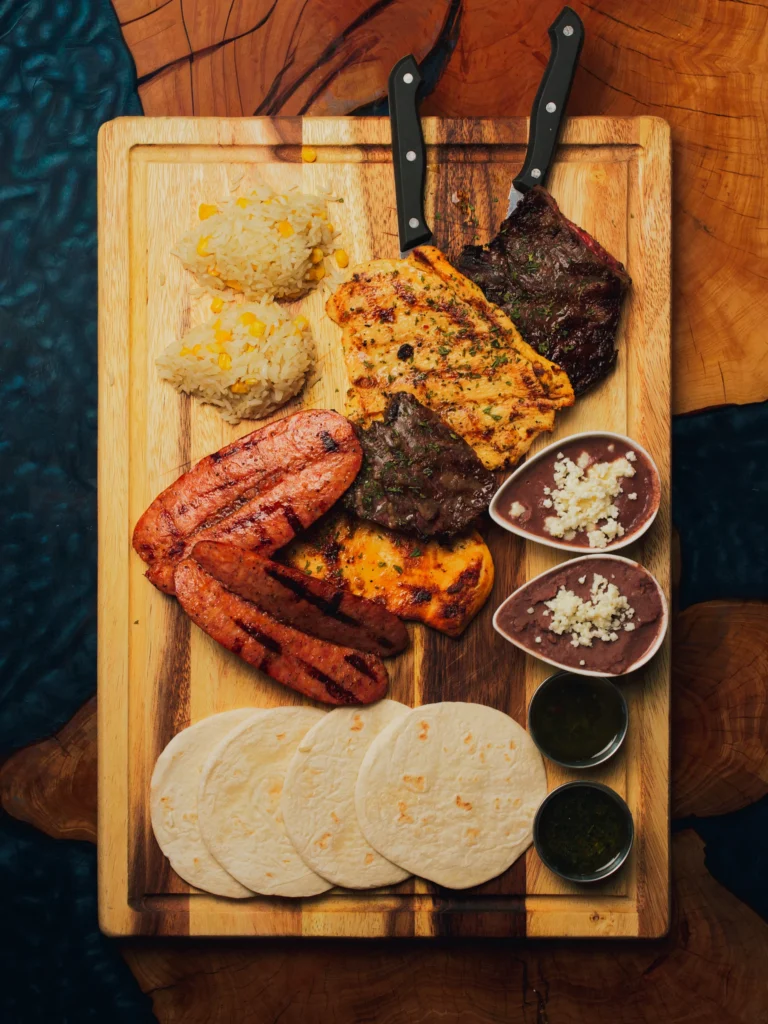
Honduran food is Central American home cooking built on corn and flour tortillas, red beans, plantains, fresh cheese and cream, with beef, chicken and seafood from both coasts. The national dish is the baleada, a flour tortilla folded over refried beans. In Dallas, the closest you will get on most menus is a short list of Honduran plates served alongside Mexican and South American ones.
You have probably seen “Latin” on a menu and wondered what, exactly, you were about to eat. Mexican you know. Tex-Mex you definitely know. Honduran is the one that tends to get a blank look, even in a city with as many Central American families as Dallas. That is a shame, because the food is some of the most comforting in the hemisphere, and it is not hard to understand once someone walks you through the pantry.
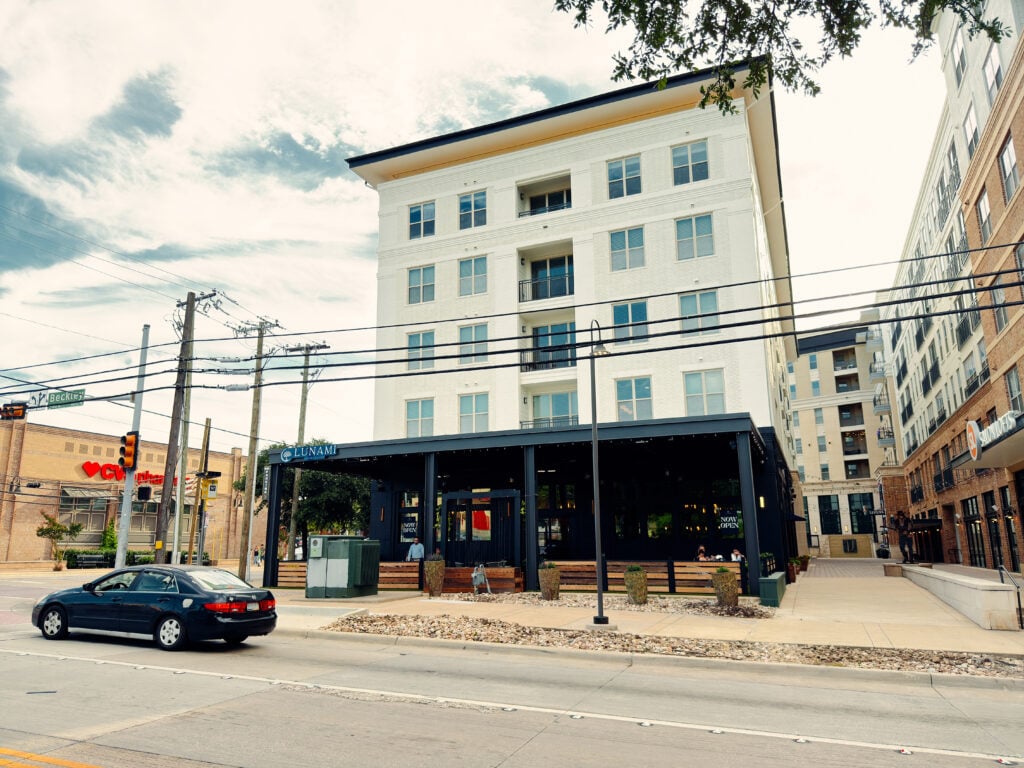
This guide does that. It covers what Honduran cooking is made of, the dishes you are most likely to meet, how it differs from the Mexican food Texans grew up on, and which plates on Lunami’s menu come from the owners’ Honduran side. Lunami is a Latin American restaurant in the Bishop Arts District, Honduran-owned, with a menu that runs from Central America to Argentina; the Honduran plates are one thread in it, not the whole cloth.
Three Things People Get Wrong About Honduran Food
“It is basically Mexican food.” The two share tortillas and beans, and that is roughly where the overlap ends. Honduran cooking leans on flour tortillas rather than corn for its signature dishes, uses red beans instead of black or pinto, and rarely reaches for the dried chiles that give Mexican sauces their depth. Heat comes on the side, in a bottle or a pickled vegetable relish called chismol or curtido, not cooked into the dish.
“It is all heavy fried food.” Plantains and tortillas do get fried, but the backbone of a Honduran plate is simple: grilled or stewed meat, rice, beans, a salad of cabbage or tomato, and tortillas to scoop with. Along the Caribbean coast, the Garifuna communities cook with coconut milk, fish and cassava, which is about as far from “heavy” as a cuisine gets.
“You cannot find it in Dallas.” You can, though usually inside a broader Latin American menu rather than under a Honduran sign. Oak Cliff and the Bishop Arts District have a growing Central American presence, and a Honduran-owned restaurant like Lunami will carry a handful of catracho plates year-round.
What a Honduran Kitchen Runs On
Walk into a Honduran home kitchen and the same ingredients show up again and again. Knowing them makes any menu easier to read.
| Ingredient | How it is used | What to look for on a menu |
|---|---|---|
| Flour tortillas | Thick, soft, often cooked on a comal; the wrapper for baleadas | Baleadas, breakfast plates |
| Red beans | Boiled, then refried into a smooth paste; served at every meal | Refried red beans, catrachitas, fundido |
| Plantains | Green ones fried twice as tostones; ripe ones fried sweet as tajadas or maduros | Tostones, sweet plantains, plátano con carne molida |
| Queso and crema | Dry salty cheese grated over beans; thick cream spooned on top | Catrachitas, enchiladas, baleadas |
| Cabbage and tomato | Shredded raw as a cool topping or a side salad | Enchiladas, pollo con tajadas |
| Coconut | Milk and oil in Caribbean-coast cooking | Sopa de caracol, coconut flan |
Notice what is missing: no mole, no dried-chile adobo, very little cumin. Honduran flavor is clean and savory, with salt, lime, garlic, onion and cilantro doing most of the talking.
The Dishes You Will Meet First
Baleadas
If you learn one Honduran dish, make it this one. A baleada is a flour tortilla spread with refried red beans, grated cheese and a little cream, folded in half. “Con todo” adds scrambled egg, avocado and often meat. It is breakfast, lunch, a late-night snack and the thing Hondurans abroad miss most. The dish is so central that Honduras celebrates a National Baleada Day on the third Saturday of June, observed since 2018 according to the Honduran daily El Heraldo. Even its name is folklore: the same paper’s account of the two origin stories of the baleada traces it to the north coast in the 1960s, with La Ceiba, La Lima, El Progreso and San Pedro Sula all claiming it.
Catrachitas
Think of these as the open-faced cousin of the baleada. Fried corn tortillas are topped with refried red beans and grated cheese, sometimes a spoon of cream. “Catracho” is the affectionate word for a Honduran, so the name roughly means “little Honduran things.” They are a brunch staple and one of the easiest first orders for anyone new to the cuisine. At Lunami you will find them on the brunch menu Wednesday through Sunday.
Honduran enchiladas
Here is where Texans get surprised. A Honduran enchilada is not rolled and sauced. It is a flat, crisp fried tortilla stacked with seasoned ground beef, shredded cabbage, sliced hard-boiled egg, tomato sauce and crumbled cheese, eaten like a tostada. It is on Lunami’s list of house specialties, and if you order it expecting the Tex-Mex version you will be confused for about one bite and then happy.
Plátano con carne molida
Fried plantains under a layer of ground beef, cabbage, tomato sauce and crumbled cheese. Sweet, savory and crunchy in the same forkful. This is the kind of plate that tells you a kitchen is actually Honduran rather than borrowing the word.
Pollo con tajadas
Fried chicken over long, thin slices of fried green plantain, topped with cabbage slaw and a pink sauce. It is the Honduran answer to fried chicken and fries, and it is sold from carts and windows across the country.
Sopa de caracol
A conch soup from the Caribbean coast, built on coconut milk with cassava, plantain and cilantro. If you have ever heard the 1990s hit song of the same name, this is the dish it is about. It is a special-occasion soup rather than an everyday one, and it rarely appears on menus outside the coast.
Plato típico
The Sunday plate: grilled beef, refried beans, rice, a slice of fresh cheese, cream, avocado, fried plantain and tortillas. Every region arranges it a little differently, but the idea is the same, a bit of everything on one plate. If a menu offers steak with beans, plantains and tortillas, you are looking at a plato típico by another name.
The quickest way to spot a Honduran kitchen on a Latin menu: refried red beans, plantains in more than one form, and a flat enchilada with cabbage and egg. If all three show up, the cook knows the food.
How Honduran Food Differs From Mexican Food
Because most Dallas diners arrive with a Mexican reference point, a side-by-side helps.
| On the plate | Honduran | Mexican |
|---|---|---|
| Signature tortilla | Thick flour tortilla (baleada) | Corn tortilla (tacos, enchiladas) |
| Beans | Refried red beans | Black or pinto, whole or refried |
| Heat | On the side: hot sauce, chismol, curtido | Cooked in: salsas, dried chiles, adobos |
| “Enchilada” | Flat fried tortilla, ground beef, cabbage, egg | Rolled tortilla, chile sauce, cheese |
| Starch beside the meat | Plantains (tostones, tajadas), rice | Rice, corn, potatoes |
| Coastal cooking | Coconut milk, cassava, conch | Lime and chile seafood, ceviche, aguachile |
None of this makes one better than the other. It just explains why a Honduran plate reads as gentler and rounder than its Mexican neighbor, and why you may want to reach for the hot sauce yourself.
Where Honduran Food Fits at a Latin American Table
Lunami is Honduran-owned and cooks across Latin America, which is common for Central American restaurants in Texas. The menu moves from Honduran brunch plates to Argentine-style parrilladas, Mexican fajitas, and ceviche served with sliced plantains instead of chips, a detail that is very Central American. You can read more about how a parrillada is built in the guide to what a parrillada actually is.
If you want to taste the Honduran thread specifically, order in this sequence: catrachitas or fundido with refried red beans to start, the Honduran enchiladas or plátano con carne molida as the main, tostones or sweet plantains on the side, and coconut flan to finish. Add a cocktail from the bar and you have covered the country in one sitting.
Ordering Tips for a First Visit
- Ask for the beans. Refried red beans are the test of a Honduran kitchen. Smooth, salty and a little sweet from slow cooking means someone’s grandmother is involved.
- Get plantains two ways. Tostones (green, savory, salted) and sweet plantains (ripe, caramelized) taste like different vegetables. Order both and you will understand the cuisine faster than any article can explain it.
- Expect cabbage. It shows up raw on enchiladas and tajadas for crunch and freshness. It is not a garnish; eat it with the dish.
- Brunch is the gateway. Honduran breakfast is where the cuisine is most itself: eggs, beans, cheese, cream, plantains and tortillas. Lunami serves it Wednesday through Sunday from 11 AM to 2 PM.
- Plan the parking. Bishop Arts is busy on weekends. The garage entrance for Lunami is on N. Beckley Ave; the parking guide walks you through it.
Honduran food does not announce itself the way some cuisines do. There is no flaming tableside anything. What it offers instead is the feeling of being fed by someone who cooks the same way at home, which is exactly what you want from a neighborhood restaurant. Come hungry, ask what is Honduran on the menu, and start there.
Sources: El Heraldo, “Día Nacional de la Baleada” and “Conozca las dos versiones del origen de la baleada.” Menu details from Lunami Latin Cuisine, Bishop Arts District, Dallas.